Experimental Study on the Fabrication & Mechanical Properties of Medium-Density Particleboards from Coconut Coir
Executive Abstract
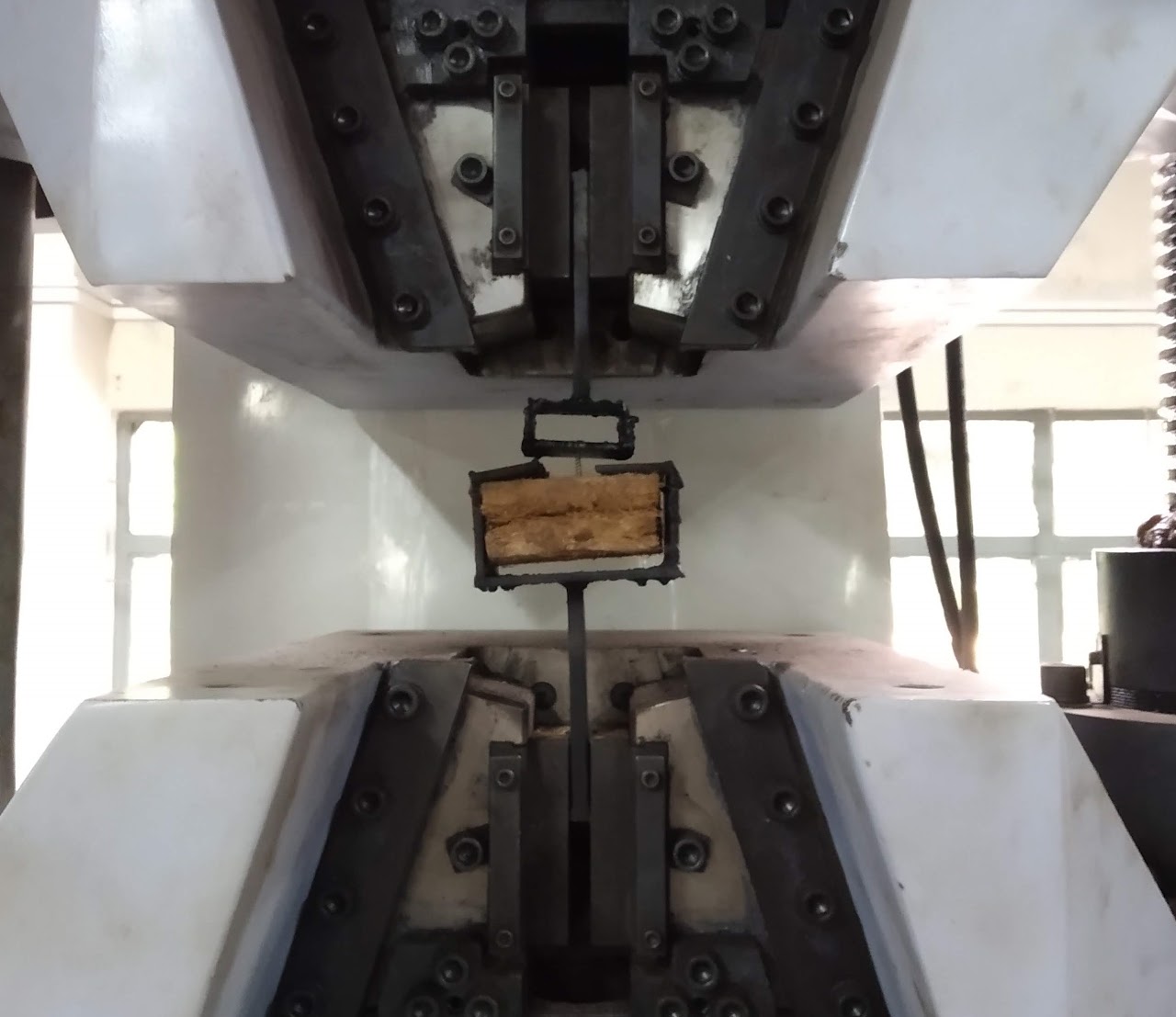
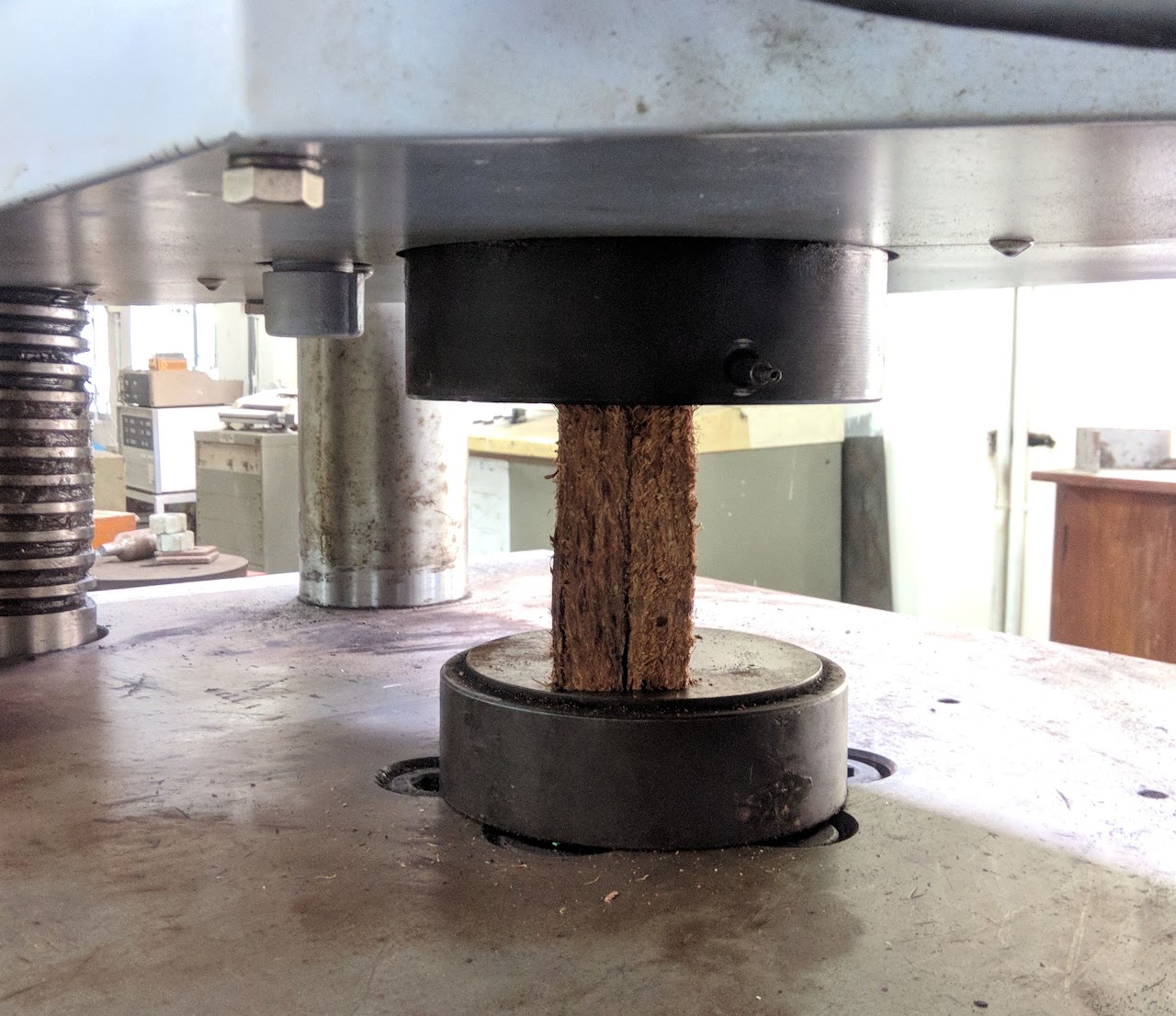
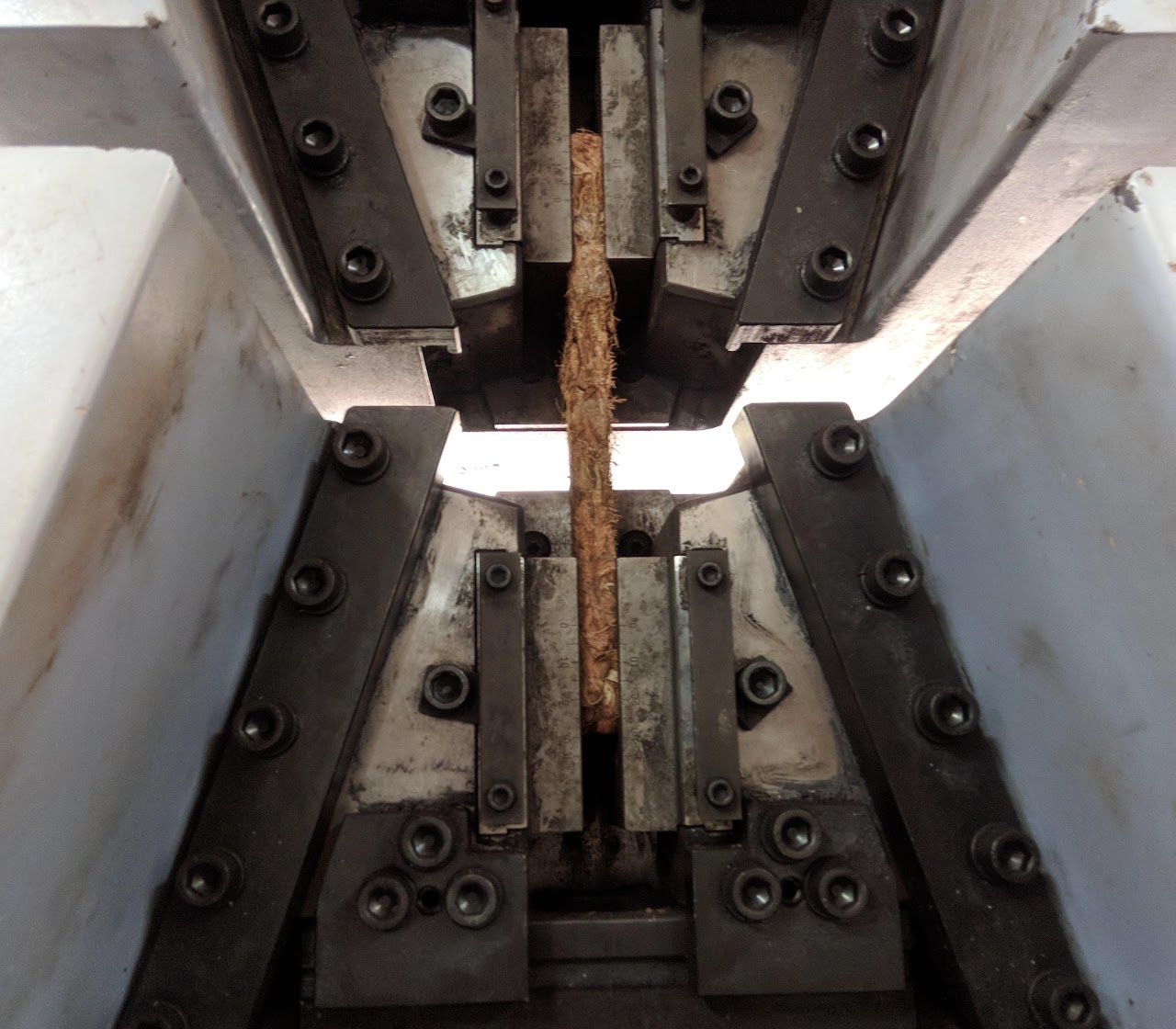
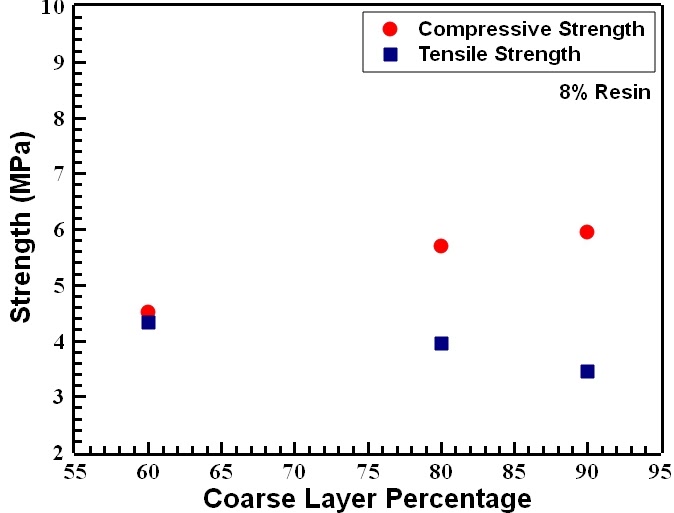
The abundance of coconut coir in the South Asian subcontinent opens an alternative to commercially available wood-chip particleboards that are gradually increasing pressure on natural carbon sinks and forest resources. The present study analyzes the fabrication process of medium-density particleboards using indigenous agricultural waste (coconut coir) and evaluates their tensile, compressive, and swelling behavior to assess their viability as commercial substitutes.
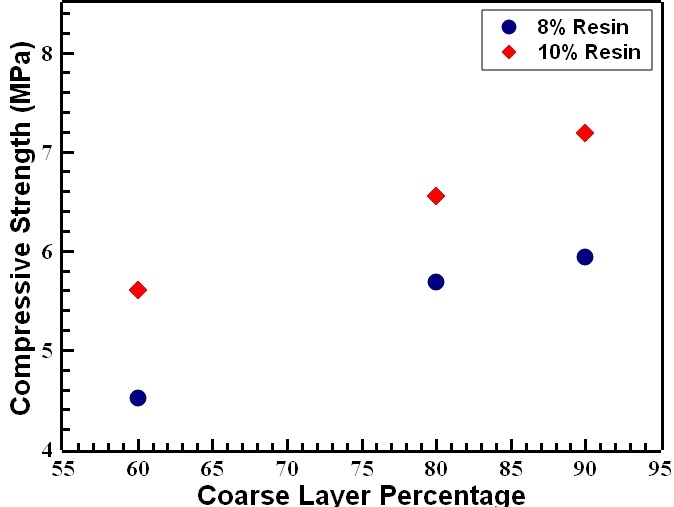
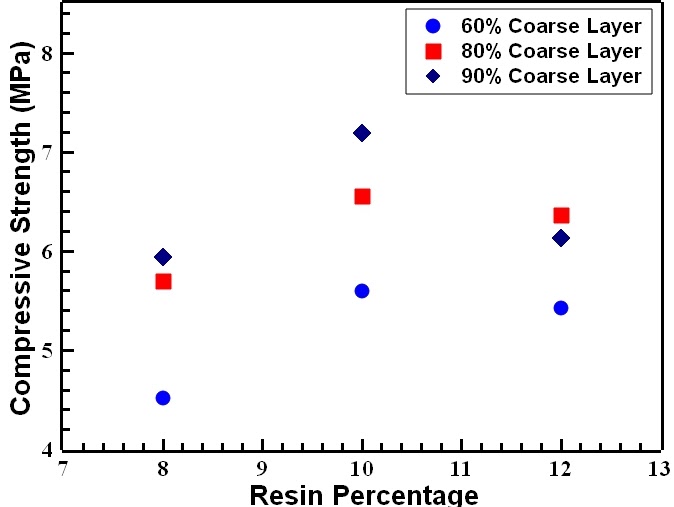
For low-cost fabrication, only coconut coir and urea-formaldehyde (UF) resin were utilized while parametrically varying resin percentage and coarse-to-fine mass ratios. Experimental analysis showed optimum mechanical strength at 10% resin by weight with an 80% coarse to 20% fine layer ratio. Production costs and durability confirmed that medium-density coir particleboards represent an eco-friendly, carbon-negative building material.
Fabrication & Characterization Gallery
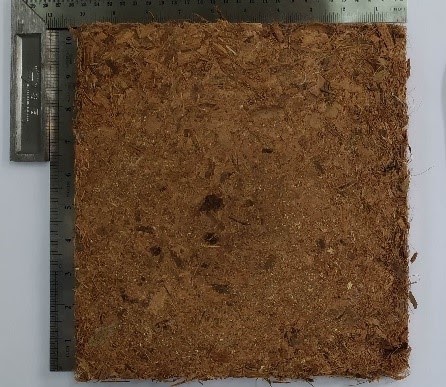
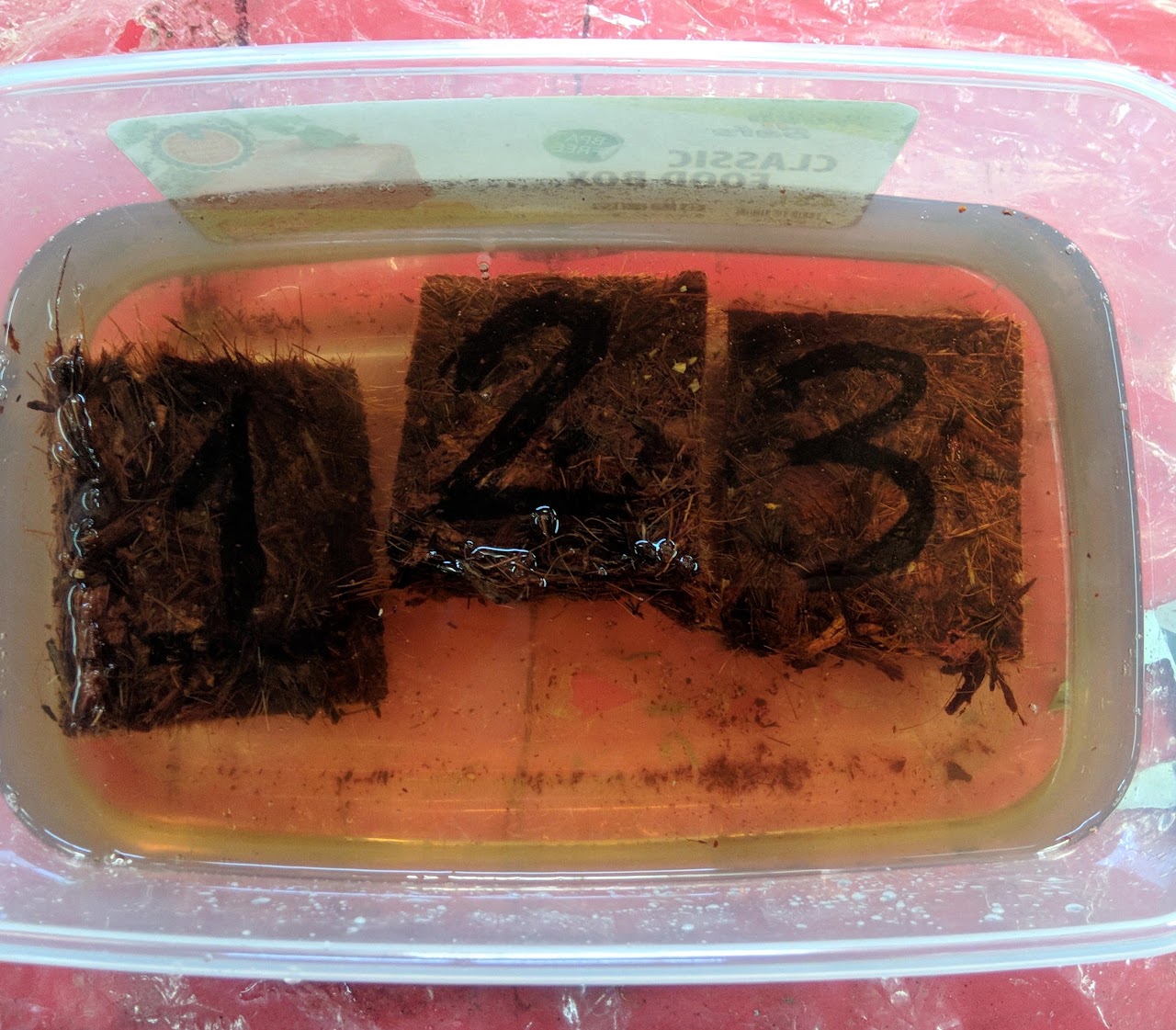
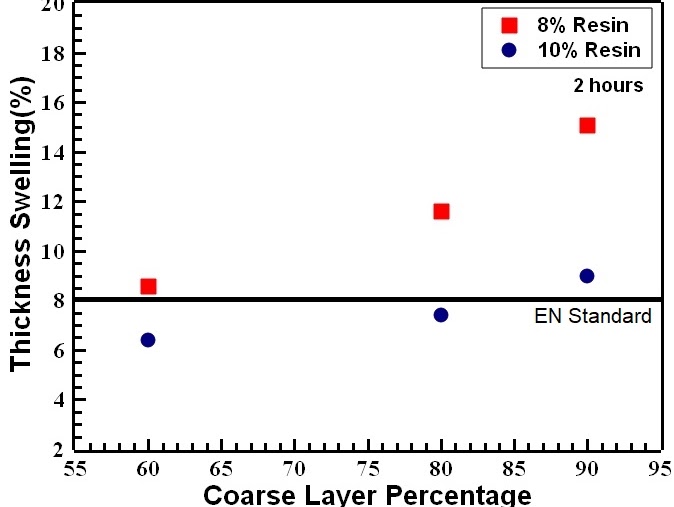
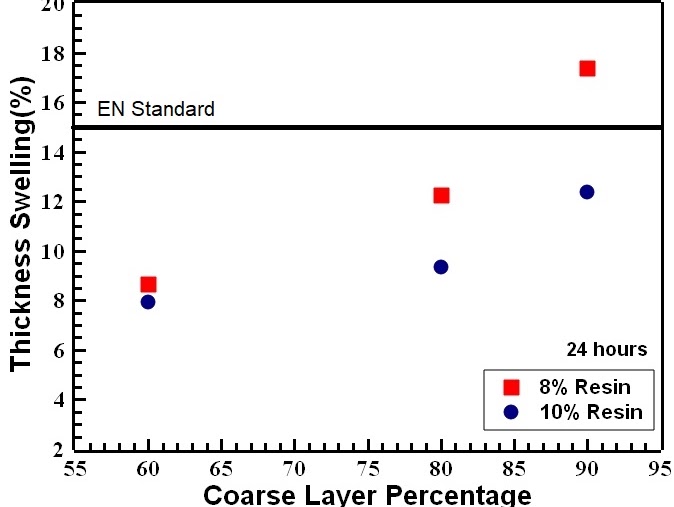
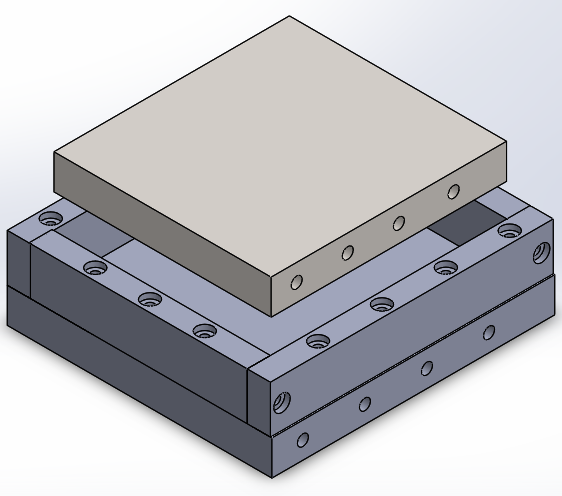
12 photographic records of mold design, hydraulic hot pressing, tensile testing, and thickness swelling tests.